High-volume cut and loading
26-100+ t · Operating weight / bucket
 EasysailExcavators
Products
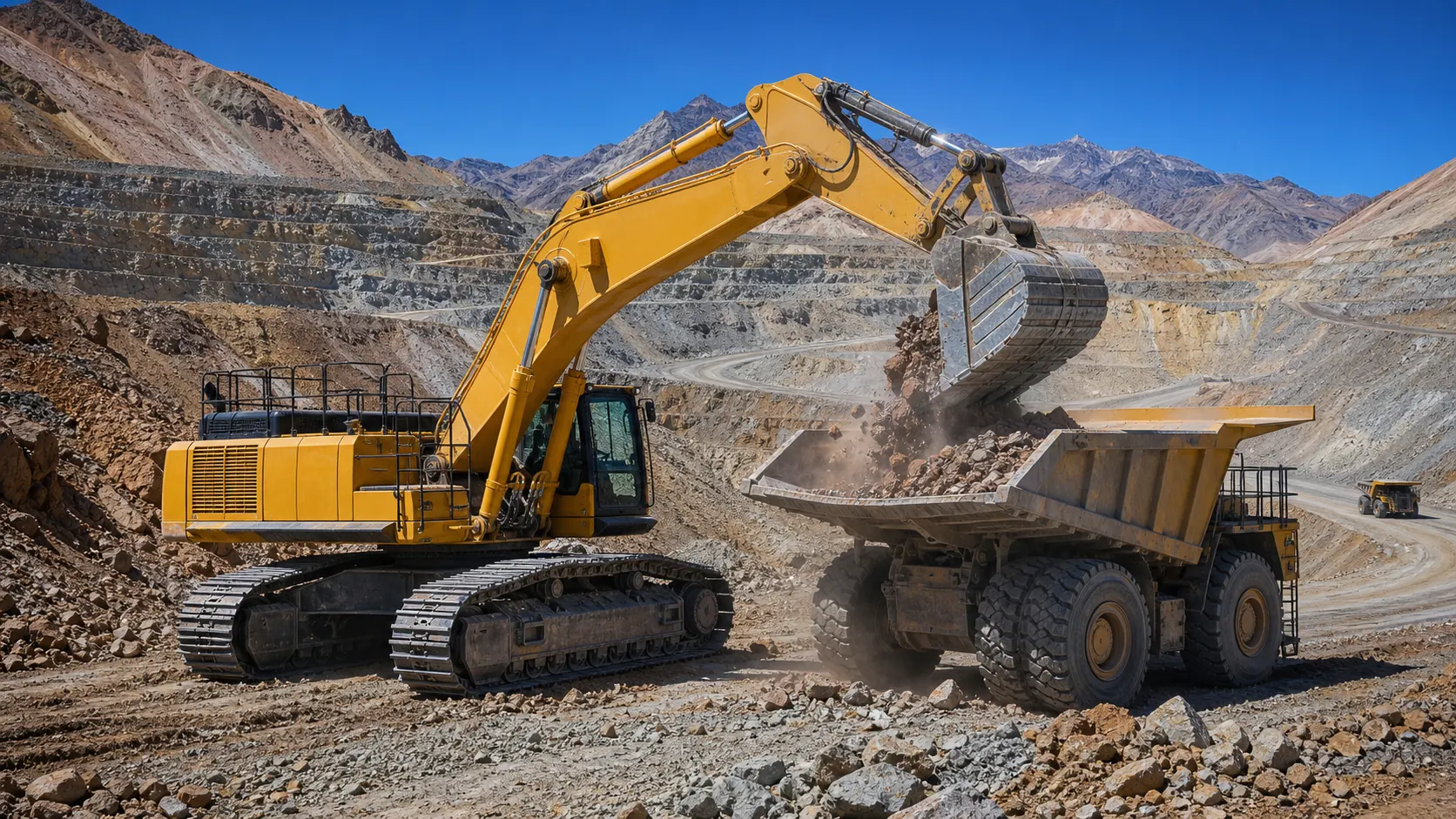
High-output excavators for quarry, mining, bulk earthmoving and demanding infrastructure projects.
Product range
High-output excavators for quarry, mining, bulk earthmoving and demanding infrastructure projects.
26-100+ t · Operating weight / bucket
26-100+ t · boom / auxiliary hydraulics
26-100+ t · arm / undercarriage
Equipment details
The exact machine is confirmed against current stock, factory supply or the condition of an individual used unit.
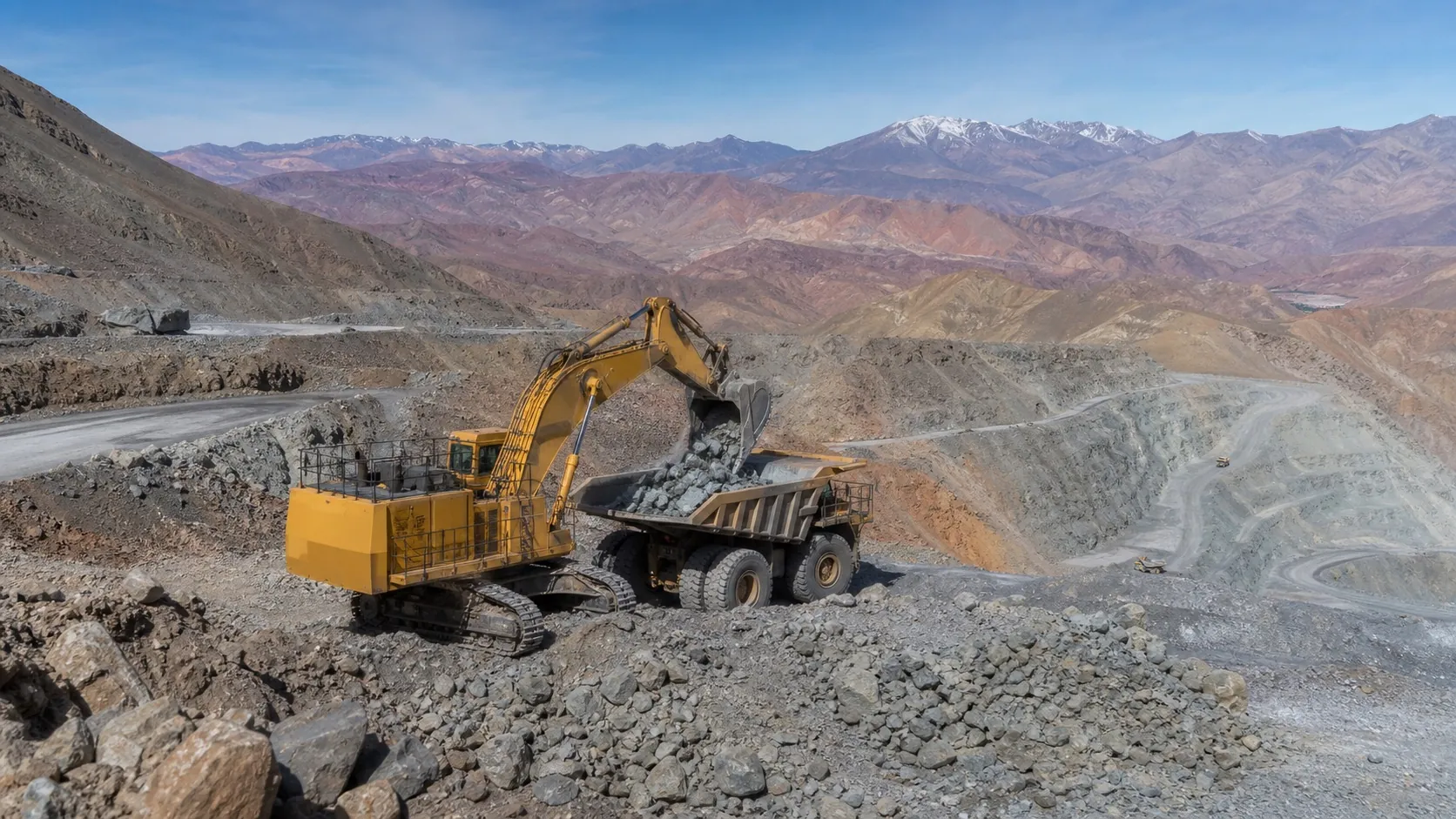
Overseas application
large cut-to-fill, quarry support and high-altitude haul-road work
This overseas operating scenario explains selection logic. It does not represent a completed customer project, local stock or guaranteed site performance.
Large excavator planning
The same carrier class can need a very different boom, arm, bucket, protection package and undercarriage when the duty changes.
Prioritise sustained cycle performance, bucket fill, swing layout and enough truck capacity to keep the excavator productive across the shift.
Rock buckets, wear protection, breakout force, hydraulic cooling and undercarriage protection matter more than nominal bucket volume.
Loading height, reach and actual bucket payload must match the truck body so pass count and queue time remain practical.
Digging depth, lifting duty, stability, access and safe working radius can justify a different front arrangement from a production-loading machine.
Large excavator planning
Send these project facts before comparing machines. They produce a more useful quotation than a model name by itself.
Large excavator planning
Production depends on the complete loading cycle. A larger bucket does not automatically improve output when material density, fill factor, truck body, swing angle or haul-road queues become the constraint.
Nominal bucket volume x material density x realistic fill factor, kept within machine and attachment limits.
Compare actual bucket payload with the truck's working payload and body geometry; avoid impractical partial passes or overloading.
Review dig, swing, dump and return time together with utilisation, truck arrival interval and planned maintenance.
Large excavator planning
The evidence set changes for a new machine, a used unit and the selected transport method. Availability and export suitability are confirmed for the exact unit or configuration.
Large excavator planning
Use the related equipment and service guides to check the loading fleet, machine condition and delivery route.
Request current stockFAQ
Compare the material, required hourly output, bucket payload, loading height, working radius, ground bearing capacity and transport limits. Operating weight is only the starting point.
Use actual bucket payload rather than nominal volume, then check practical passes per truck, loading height, body geometry, swing angle, truck arrival interval and haul-cycle capacity.
Request the data plate and serial number, cold-start and operating videos, engine and hydraulic observations, structural and weld-area photos, pin clearances and a documented undercarriage review.
Yes. Provide the destination port or inland site. The exact dimensions, dismantling plan, inland transport, loading method, export documents and destination requirements must be checked first.